
LLMs will see you now
Issue 146 l Eka’s Weekly Roundup (19 January 2026)

The opening weeks of 2026 have been filled with headlines about ChatGPT Health & Anthropic’s response.
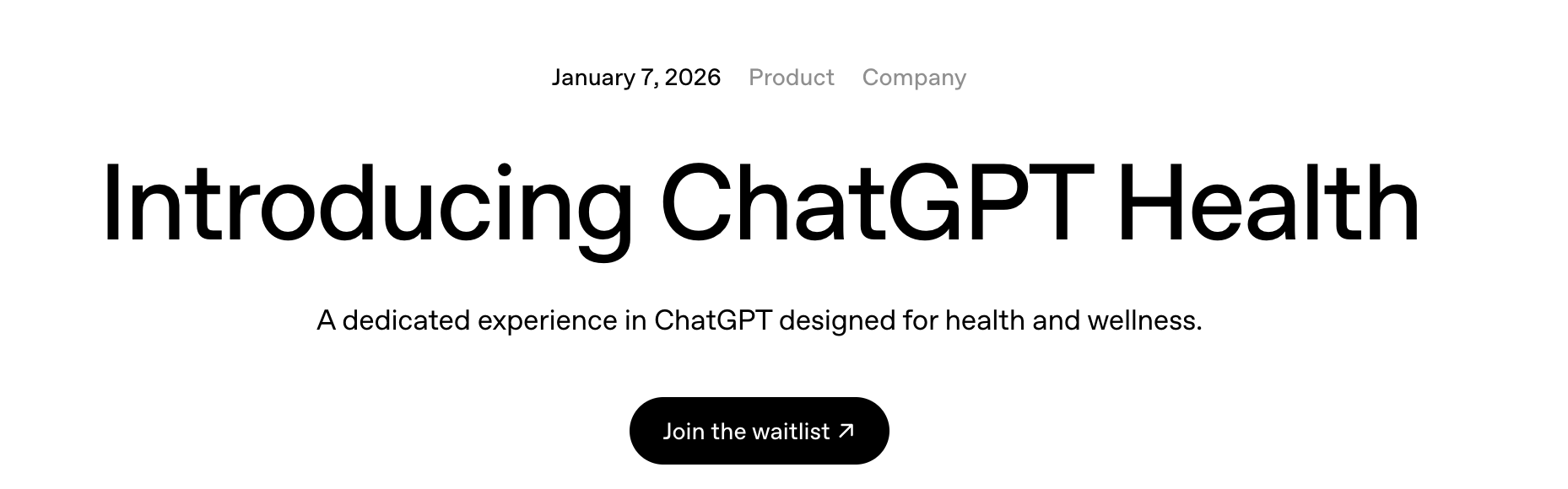
230m people are already using ChatGPT on a weekly basis to ask health-related questions. OpenAI’s expansion into healthcare partnerships and Anthropic’s emphasis on constitutional AI and extended context windows represent divergent strategies for the same end: transforming medicine from a scarcity-based expert service into a scalable cognitive utility.
This week, we recap on what was announced and link to a few interesting takes on the releases.
OpenAI and Anthropic make moves in health 🗞️
OpenAI’s healthcare ecosystem expansion
OpenAI has significantly expanded its healthcare footprint through strategic partnerships rather than standalone products.
In December 2025, the company announced collaborations with several major health systems to integrate GPT-4 and GPT-4 Turbo into clinical documentation workflows. Early reports from pilot sites across LLMs in health (note, not specific to ChatGPT) suggest 30-40% reduction in documentation time for routine notes, though these figures come from controlled implementations with extensive prompt engineering and human oversight.
The technical advancement drawing most attention is improved performance on medical reasoning benchmarks. GPT-4 Turbo now achieves 86% accuracy on the MedQA benchmark. However, as many researchers have noted, benchmark performance remains an imperfect proxy for clinical utility.
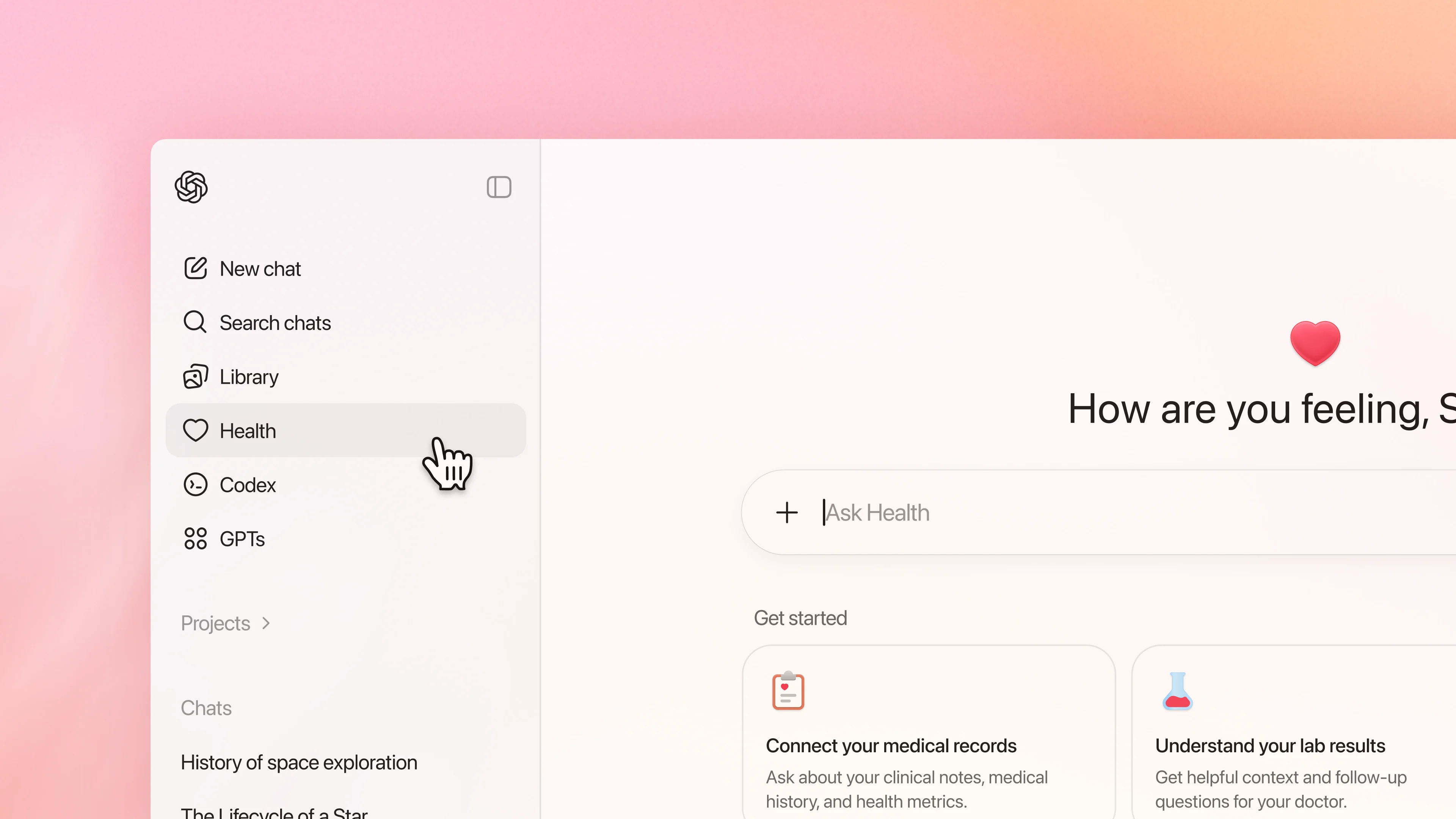
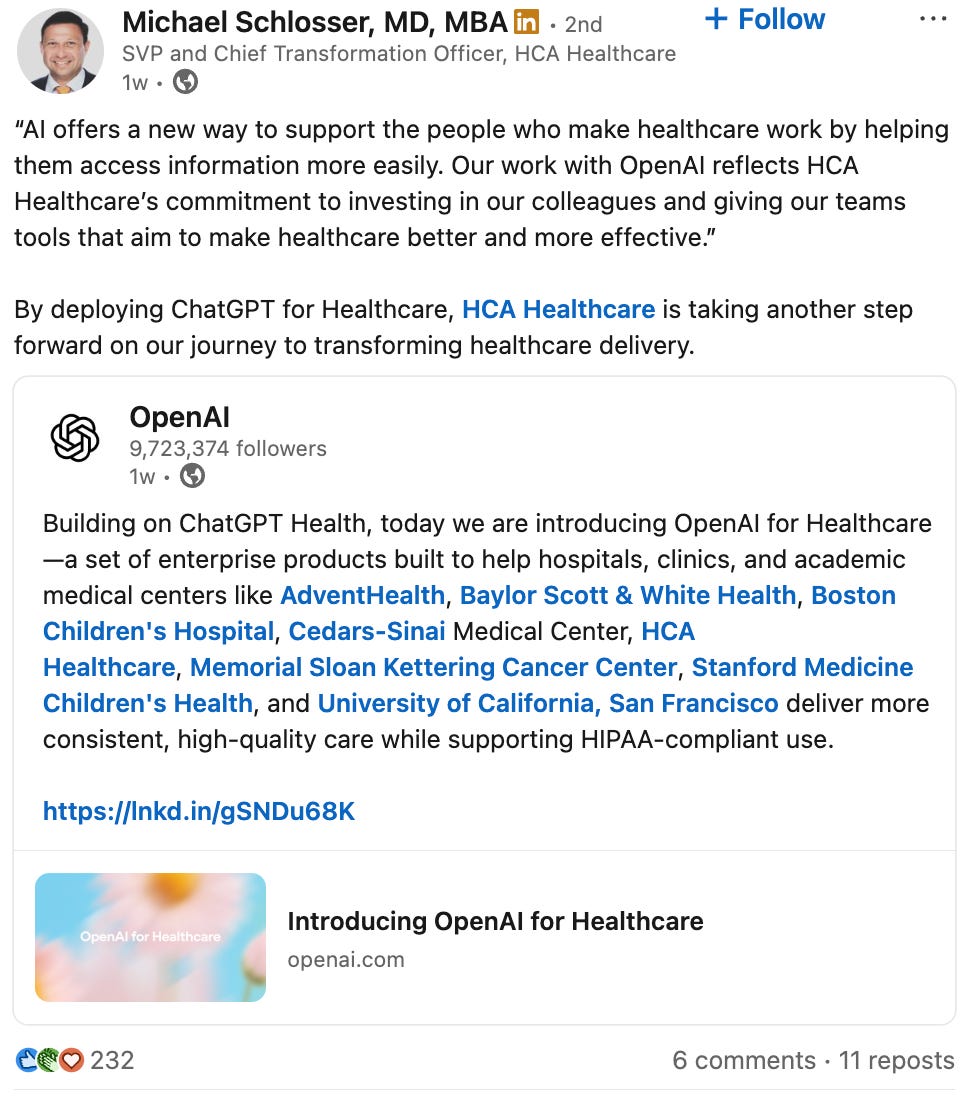
Beyond the consumer, OpenAI is also launching OpenAI for Healthcare, a HIPAA-compliant suite for hospitals and healthcare professionals. It is already being used by major systems like HCA, Memorial Sloan Kettering, and Advent Health.
Anthropic’s Claude for health and life sciences
Last October, Anthropic announced Claude for Life Sciences to enable a research partnership for scientists and clinicians.
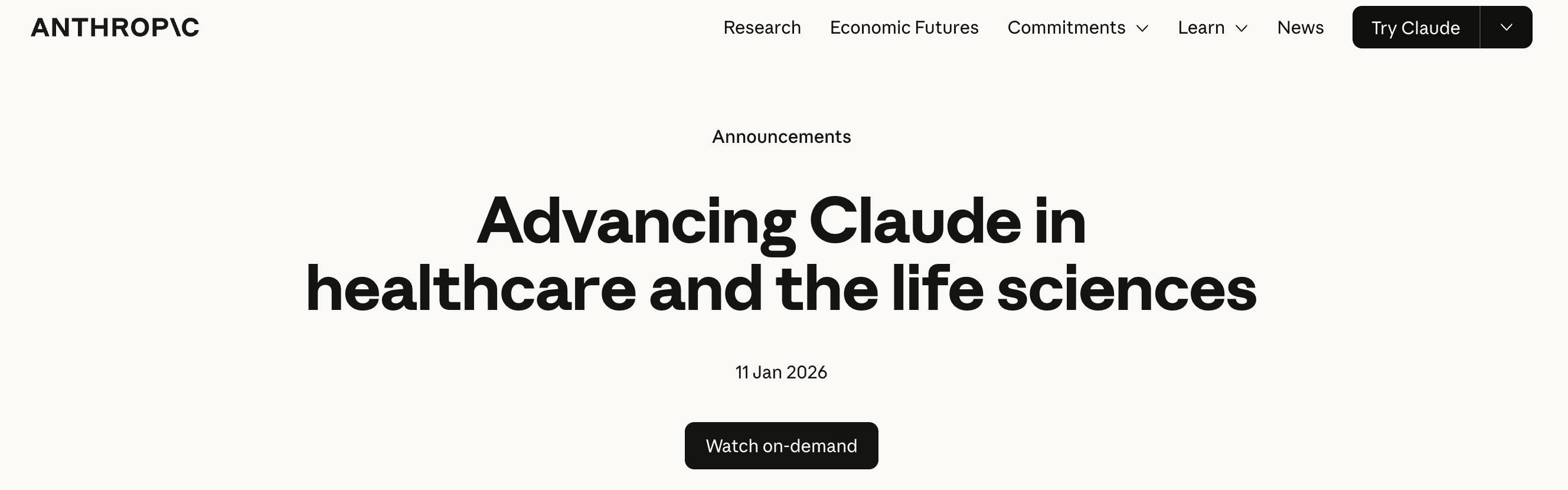
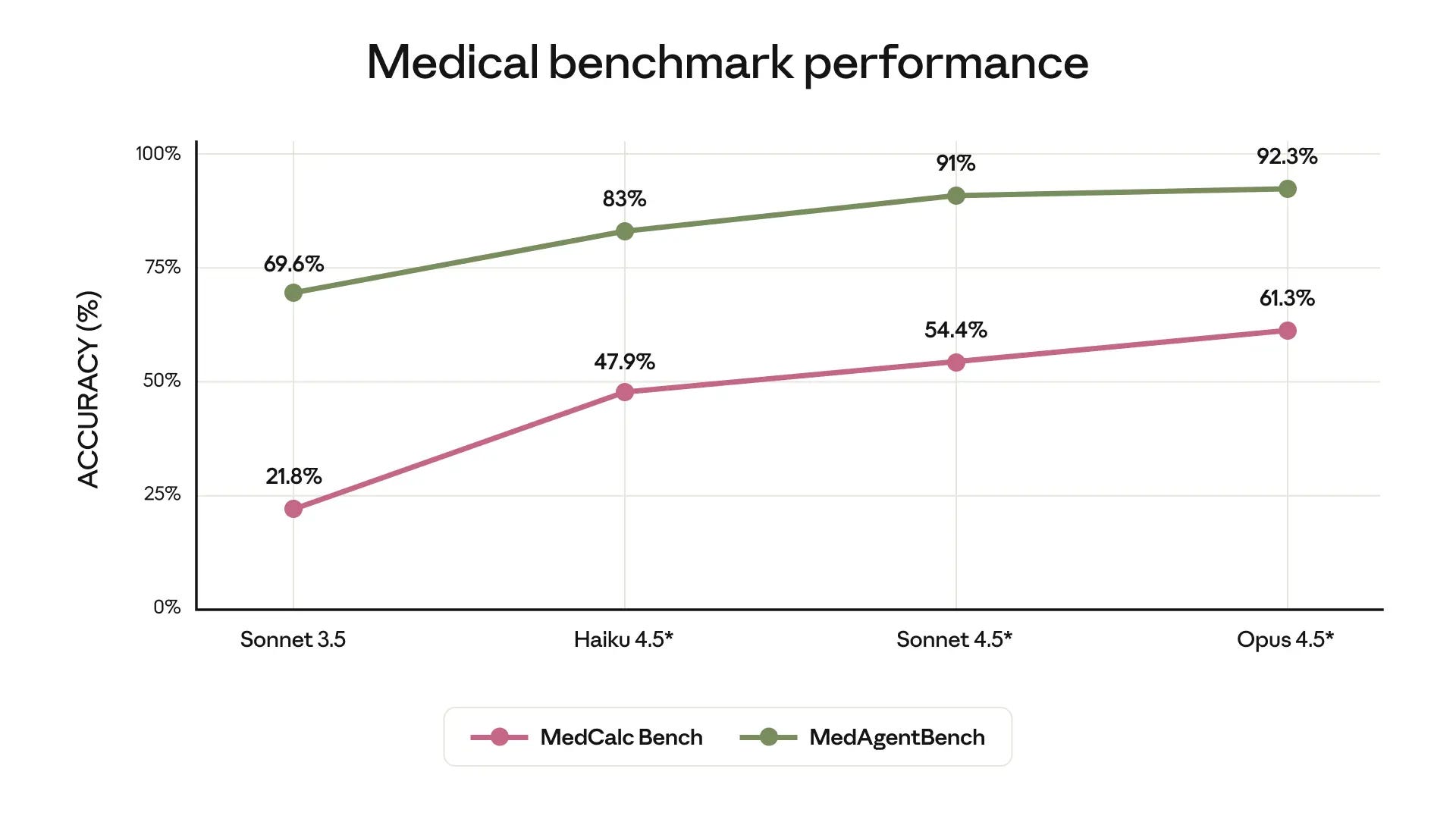
In January (5 days after OpenAI’s launch), they expanded this into 1) Claude for Healthcare, and 2) expanding Claude for Life Science through more scientific platforms. Accuracy is increasing for the Claude models, with Opus 4.5 delivering >90% on MedAgentBranch (similar to a human benchmark which sit at the high 80s%). MedCalcBench is going at >60% for Opus 4.5 compared to humans who are around 80s%.
Similar to OpenAI, it is also looking at enterprise applications including insurance claims (prior auth) and document reviews.
Regulatory movement and clinical validation
The FDA issued draft guidance in January 2026 (original here) on clinical decision support software incorporating generative AI. The key distinction: tools that provide diagnostic or treatment recommendations require premarket review, while those focused on administrative efficiency may qualify for enforcement discretion. This creates a two-tier landscape where documentation assistants proliferate while diagnostic applications face significant validation hurdles.
Various points of view
Benedict Evans suggests OpenAI is launching these products to find “sustainable defensibility” as basic models become commodities (see newsletter no.625)
Lucas Mittelmeier notes a conflict of interest: OpenAI is now competing directly with the healthtech startups (like Abridge) that license its API.
HealthPigeon on how OpenAI is making the case to regulators (ie FDA) that is it increasing access to healthcare in the US context.
✍🏽 Week in Impact Articles
Monday: Advancing Claude in healthcare and the life sciences
Tuesday: ChatGPT Health now exists. Brace for impact.
Wednesday: The project that turned me into a Claude Code believer
Thursday: OpenAI’s healthcare launch is just a warmup. What could be next?
Friday: LLMs vs. Marketplaces
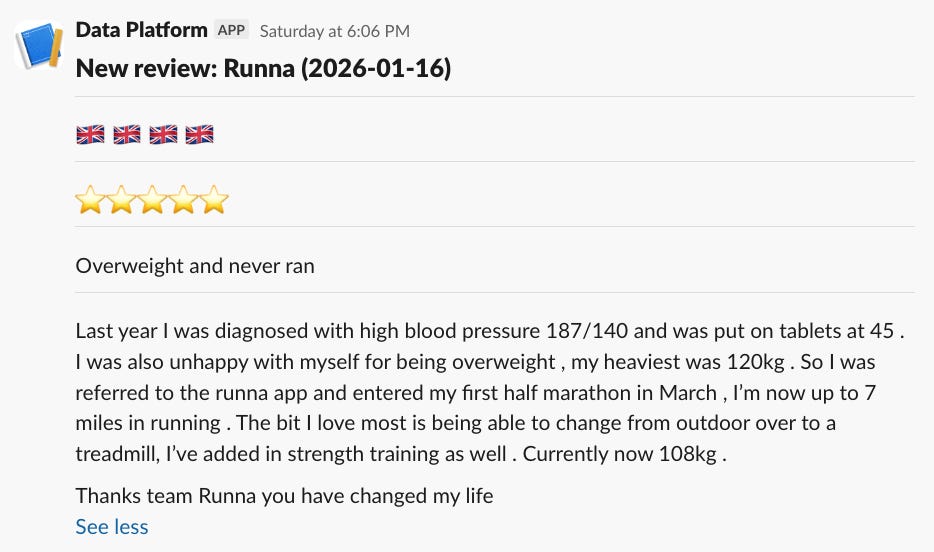
🗣️ Review of the Week
👋 Getting in Touch
If you’re looking for funding, you can get in touch here.
Don’t be shy, get in touch on LinkedIn or on our Website 🎉.
We are open to feedback: let us know what more you’d like to hear about 💪.