
Highlights: COP30
Issue 141 l Eka’s Weekly Roundup (27 Nov 2025)

Last year, the headlines from COP29 in Baku focused heavily on the $300bn finance target for developing countries committed by 2035.
If COP29 was defined by the architecture of finance, COP30 in Belém represents the transition to granular delivery. The overarching theme emerging from Brazil is Mutirão - a collective mobilization to close the gap between Nationally Determined Contributions (NDCs) and real-economy implementation.
The “Baku to Belém” roadmap has culminated in a shift from voluntary ambition to structural integration across trade, health, and sovereign nature finance. Below are the four structural shifts emerging from the Amazon which feed into our climate thesis.
Highlights from Belém 🗞️
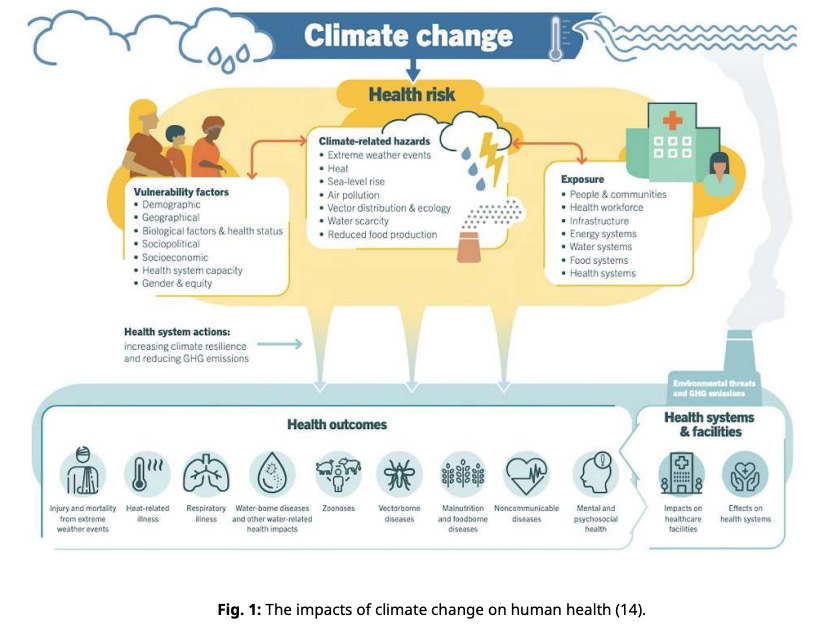
Planetary and human health continue to converge
Building on the “health day” precedent set at COP28, the *Baku Principles on Human Development for Climate Resilience* at COP29 formally codified the nexus between climate volatility and public health outcomes. COP30 saw a Health Action Plan published in line with the talks.
Biodiversity & nature mature into an asset class
The launch of the Tropical Forest Forever Facility (TFFF) aims to raise $125b, incentivizing the preservation of tropical forests by flowing capital directly to nations and Indigenous Peoples.
We are observing the financialization of ecosystem services at a sovereign scale. The announcement of the Global Super-Taxonomy creates interoperability between over 60 national taxonomies, effectively standardizing the definition of “sustainable asset” across borders.
The “wild west” of voluntary carbon markets is being replaced by high-fidelity, compliance-grade infrastructure. The opportunity set shifts toward:
Agrifood accelerator
The agricultural narrative at COP30 focused heavily on two levers:
financing restoration, and
deploying digital public infrastructure (DPI).
The launch of the RAIZ (Resilient Agriculture Investment for Net-Zero) accelerator signifies a push to mobilize finance for restoring degraded farmland at scale. Read more here.
Demand-side flexibility in energy
The Green Grids Initiative and the Utilities for Net Zero Alliance (UNEZA) announced a target of $1 trillion to triple renewable capacity. The consensus is clear: there is no transition without transmission.
The bottleneck has shifted from generation costs (which have plummeted) to integration friction. The focus is now on grid resilience, storage, and flexibility to accommodate a quadrupling of sustainable fuels by 2035.
✍🏽 Week in Impact Articles
Monday: Ecosystem is the next big growth channel
Tuesday: A second helping of weight-loss drugs is coming
Wednesday: Raising Humans in the Age of AI: A Practical Guide for Parents
Thursday: The CQ | From Network Effects to Cognitive Effects: New Rules for Platform Dominance
Friday: Healthcare business ideas that sound good but never scale. Part 1: The all-in-one health app
📊 3 Key Charts
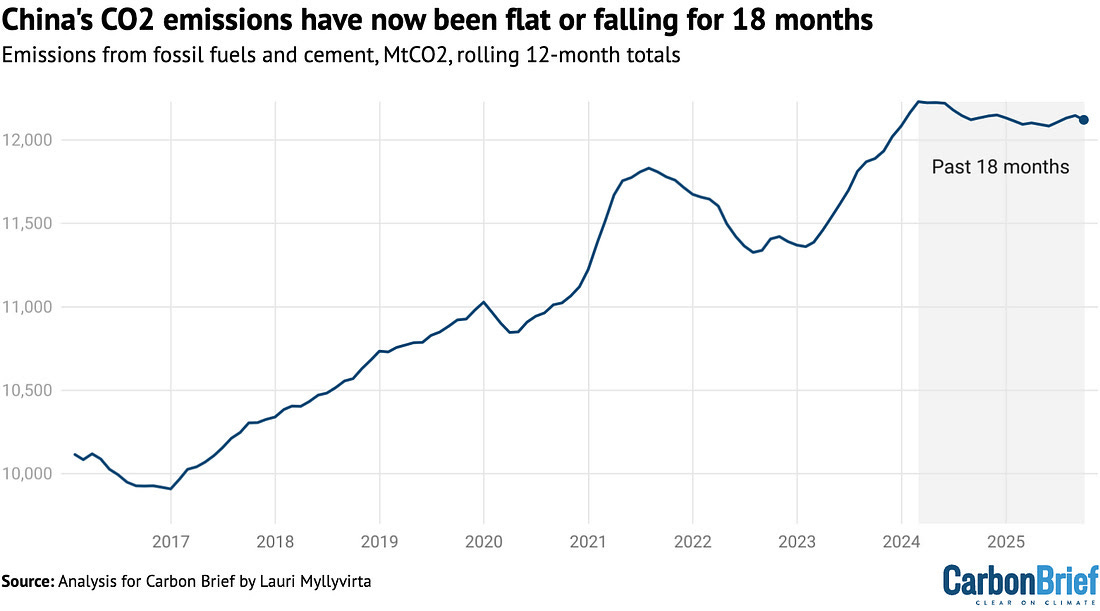
1. China’s carbon emissions are flat
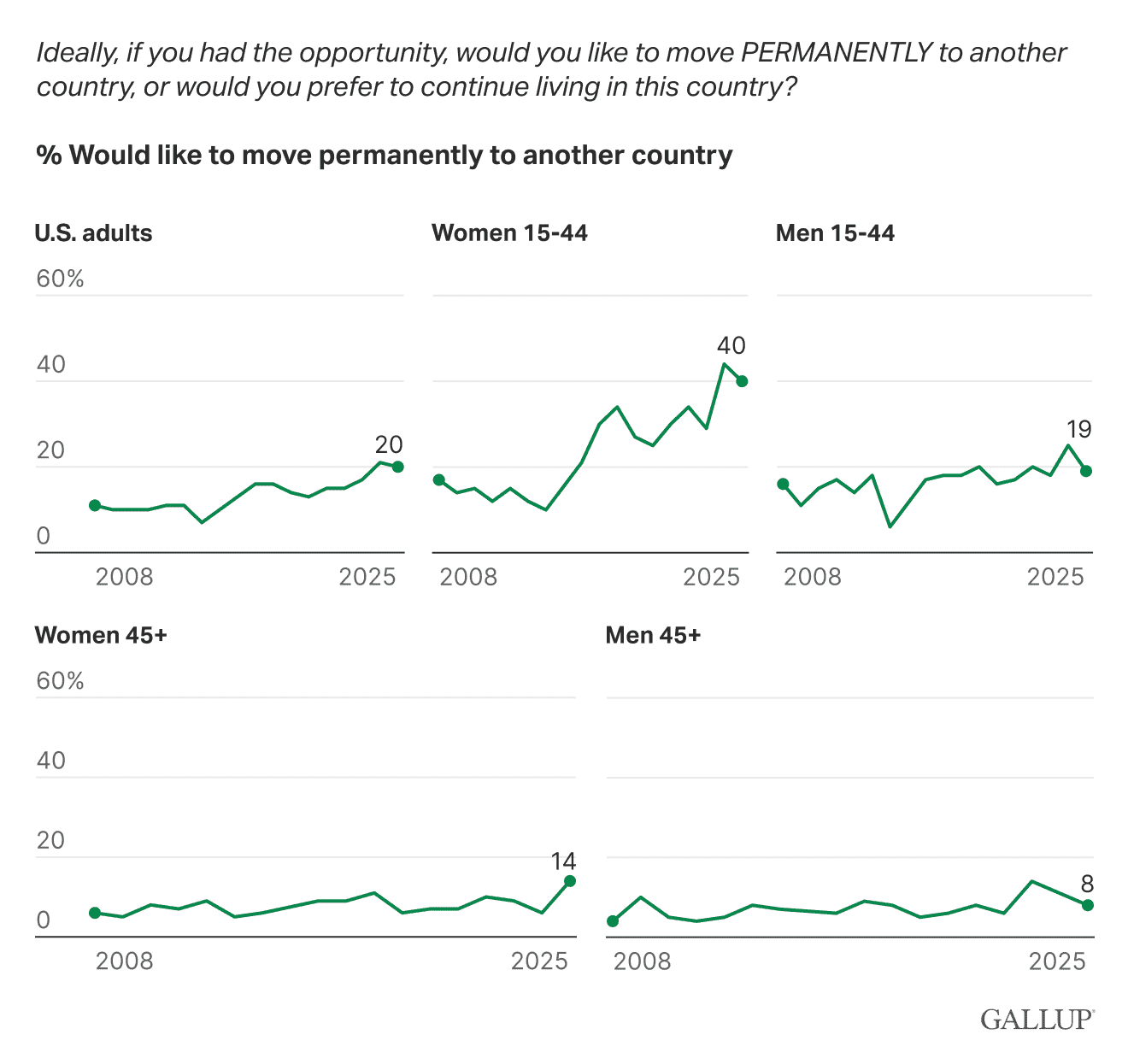
2. 40% of women under 45 would leave the U.S. permanently
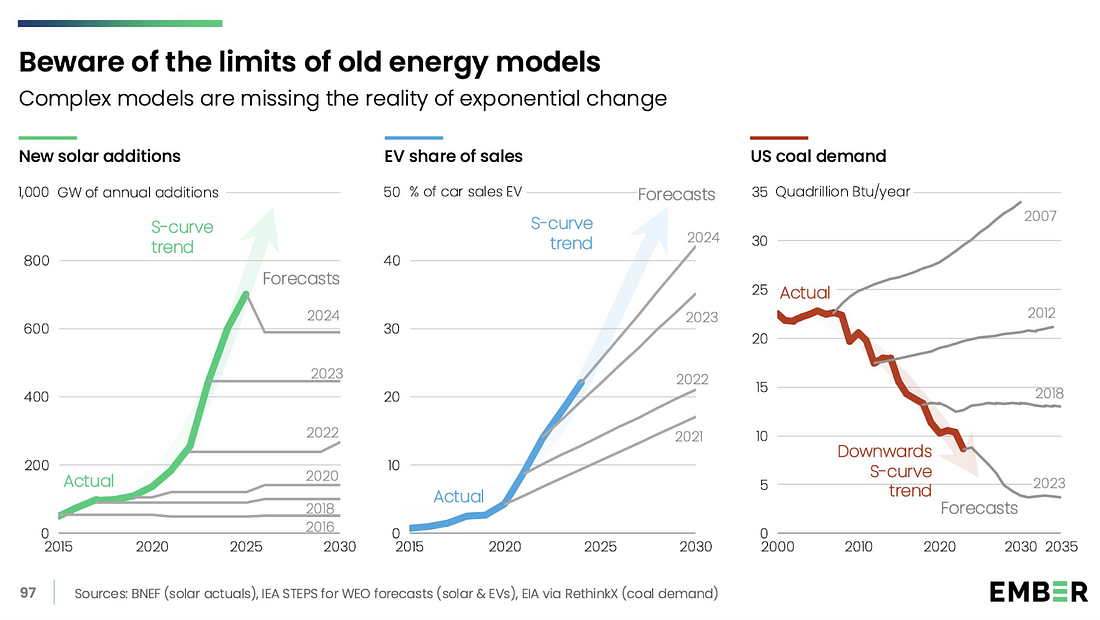
3. The only way is up or UP?
👋 Getting in Touch
If you’re looking for funding, you can get in touch here.
Don’t be shy, get in touch on LinkedIn or on our Website 🎉.
We are open to feedback: let us know what more you’d like to hear about 💪.